Environment

Rehabilitation and Reforestation

SMI is committed to the principles of sustainable development. It recognizes its role as a steward of the environment. Working closely with the local communities and government stakeholders, it is in the process of developing an integrated biodiversity and reforestation management plan that will address issues relating to land clearing, soil erosion, landslides and siltation of surrounding waterways.

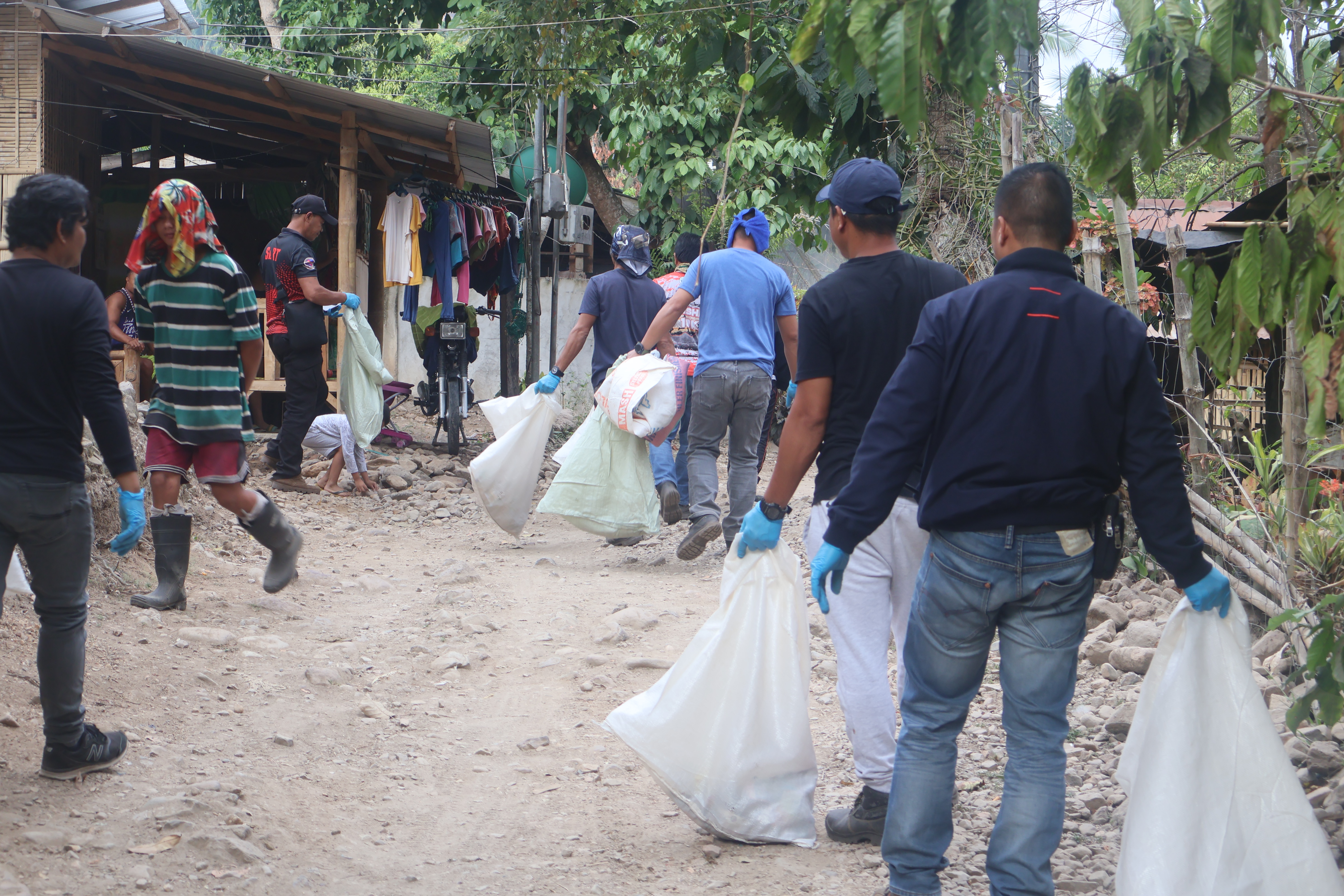
Undertaken in close collaboration with host barangay and municipal local governments, non-government organizations (NGO), the Department of Environment and Natural Resources (DENR), schools/universities, religious groups and the communities, Maleh To Kayu, SMI’s reforestation program planted 50,000 seedlings of quality endemic and high value fruit trees in 2008 with the help of more than 750 volunteers and 17 community groups. The program was further strengthened with the regular monitoring of seedlings that have been planted to improve survival rates.

Since 2005, the program has planted more than 250,000 seedlings in and around the Tampakan project area.

Over the past three years, SMI’s strong social and environmental culture has been recognized as an industry benchmark by the Philippine Mine Safety and Environment Association (PMSEA), winning several awards including the “Best Mining Forest Program-Exploration Category in 2008, Runner Up in the Mining Forest Program-Exploration Category in 2007, and Best Mining Forest Program – Exploration Category in 2006.

The University of Queensland and its local counterpart, Visayas State University are now working on a robust forest rehabilitation and management program.

Rehabilitation

The Tampakan Project, under the Financial or Technical Assistance Agreement, holds a total land area of 23,571 hectares. In 2008, 2.3 hectares of land was disturbed during drilling operations and approximately 3.1 hectares of land was rehabilitated and will continue to be monitored until it has returned to its original, pre-drilling condition.

A Biodiversity and Land Management Plan will be developed for the Tampakan Project in 2010 as part of the ESIA technical studies.

A detailed surface water model is being developed in current feasibility studies as well, and a water management plan will be developed in the context of both climate change and water stress and factor in the demands of the local population and environment.

The Tampakan Project’s major initiatives in 2008 to mitigate significant environmental impacts associated with the Project include:

  • Development and implementation of the site Environmental Management System (EMS) consistent with ISO14001
  • Implementation of controlled documentation including that of procedures and XCu SD standards progressively rolled out across site
  • Quarterly internal environmental audits undertaken with corrective action items monitored
  • Identification of the Project’s environmental risks
  • Hydrocarbon management: Impermeable bunds constructed in major fuel storage areas, emergency spill response training rolled out to key personnel